Paris has a strong identity tied to pastry. Display windows often show rows of glossy tarts and layered cakes, yet not every visitor wants rich, sugary options at every stop. Some travelers prefer lighter choices, especially during long walking days or multi-stop itineraries. Finding balance takes a bit of planning. Bakeries vary widely, and menus rarely highlight sugar levels. This guide breaks down realistic options, where to look, and what to expect when searching for both classic and reduced-sugar desserts across Paris.
Understanding Traditional Paris Desserts in Daily Life
Traditional Paris desserts aren’t treated like a checklist item. In many neighborhoods, a pastry is a small pause in the day, not a big event. You’ll see the familiar lineup, éclair, mille-feuille, tarte Tatin, Paris-Brest, in almost every bakery window, but the local habit tends to be simple, choose one, enjoy it properly, move on.
Timing makes a bigger difference than most visitors expect. Many pastries are built early, then finished and set out by late morning. Arrive in the early afternoon, and the counter usually looks generous. Turn up closer to dinner, and the choices can shrink fast, especially in places with steady foot traffic like Saint-Germain or Le Marais. That picked over look often says more about the hour than the bakery.
Prices swing by postcode. A mille-feuille near a major sight can cost far more than the same pastry a few metro stops away. Rent shows up in the display case. Freshness is the quiet deal-breaker. An éclair should feel airy, not damp, and a tart base should crack, not bend. Pace dessert stops, one or two a day keeps the experience fun, not heavy.
Where Low-Sugar Dessert Options Are Actually Available?
Low-sugar desserts can be found in Paris, but the city rarely spells it out on a menu. Instead of bold nutrition labels, most places lean on ingredient lists and a pastry team’s sense of balance. That means a little reading between the lines, and sometimes a quick question at the counter.
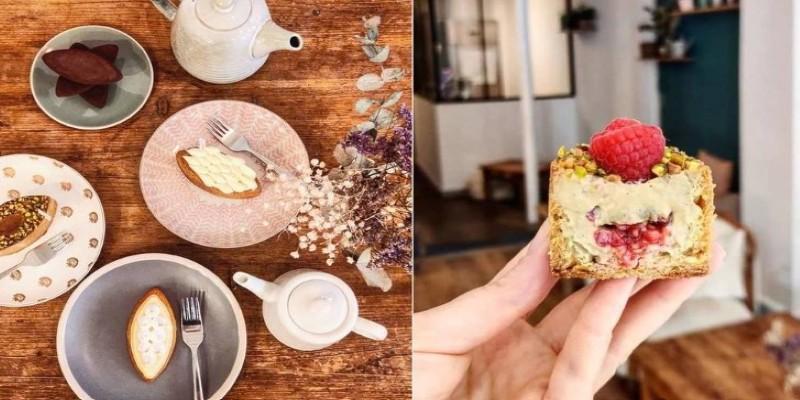
A newer wave of pâtisseries aims for cleaner flavors and less sweetness. Fruit does a lot of the work, tart berries, citrus, or passion fruit cut through richness without extra syrup. Lemon tarts, yogurt-based cups, and darker chocolate pastries often land on the lighter side compared to caramel-forward classics.
Health-leaning bakeries are easier to spot in parts of the 10th and 11th arrondissements. Some use agave, some reduce refined sugar, and some simply build desserts around nuts, fruit, and dairy. The catch is timing. The best options can disappear by mid-afternoon, especially on weekends.
Ordering can feel vague if sugar levels are not discussed. Asking for moins sucré usually gets the point across, though answers vary by staff and crowd level. For a practical fallback, Monoprix and similar shops stock fruit compotes and simple yogurts with lower sugar. Not romantic, but useful after a long day. Low-sugar still can mean buttery, so pace it.
Balancing Indulgence During a Paris Trip
Dessert in Paris can quietly shape the rest of your day. A buttery pastry first thing sounds harmless, then three hours later, the stairs at Sacré-Cœur feel steeper, the museum queue feels longer, and energy dips right when the city gets busiest. Spacing sweets out works better than cramming them in. Plan one treat mid-afternoon, when feet need a break anyway, then save another for after dinner when the pace slows.
Drinks matter more than most travelers expect. Pairing sugar with espresso can make everything taste sharper and sweeter at once. Switching to tea or even plain water now and then keeps flavors clearer and stops that too much feeling from creeping in. Portions look small in the window, but Paris pastries are dense and rich. Sharing one between two people is often the sweet spot, especially if several bakeries are on the list.
Season helps. Summer counters overflow with fruit tarts and lighter fillings. Winter leans into chocolate and praline. Build dessert stops into routes between sights, instead of chasing a famous address across town. You’ll taste more, walk less, and stay in a better rhythm.
Realistic Expectations and Common Missteps
Many travelers arrive in Paris expecting neat little labels for every dietary need. Most pastry counters do not work that way. Sugar levels are rarely spelled out, and the best information often comes from a quick conversation at the register. That moment can feel awkward when the line is moving fast, and the menu is all in French.
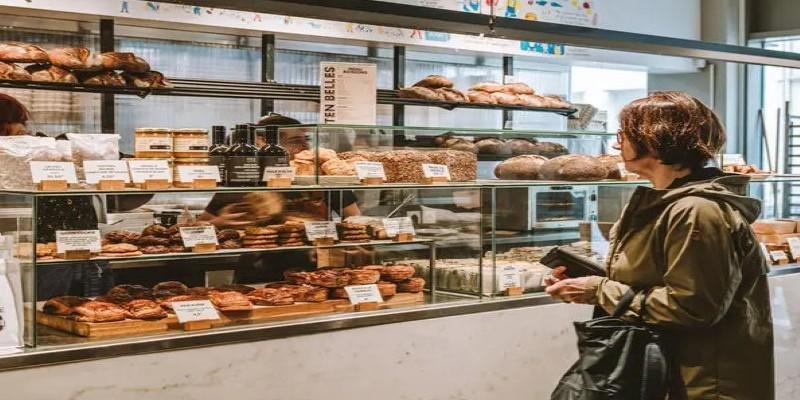
Another misread is assuming every classic French dessert is a sugar bomb. A lot of traditional French sweets rely on contrast, tart fruit, dark chocolate, toasted nuts, and crisp pastry. The result can taste more balanced than expected, even when it is still rich.
It’s easy to get pulled toward the flashiest windows in tourist areas. Mirror glazes and picture-perfect cakes look great, yet the flavor can be one-note. In quieter neighborhoods, the pastries might look simpler but eat better, with cleaner textures and fresher bases. Lines can be misleading, too. Some spots run on social media momentum, not consistency.
If time is tight, scan a few bakeries instead of committing to the longest queue. For low-sugar desserts, Paris visitors should stay flexible. Total sugar-free pastries are rare. Aim for less sweet and ask for moins sucré. One more thing: a single bakery rarely covers every craving, so splitting stops across the day usually works best.
Conclusion
Paris offers a wide range of desserts, yet finding the right balance takes some awareness. Traditional pastries remain central to the city’s identity, while lighter options continue to grow in availability. Planning around timing, location, and portion size helps avoid common frustrations. A mix of classic treats and reduced-sugar choices keeps the experience enjoyable without feeling overwhelming. Small adjustments make a noticeable difference during a full travel schedule.