Back pain that changes with movement patterns
It can be oddly inconsistent: a dull low-back ache that eases after a few minutes of walking, then shows up again after a long drive or a stretch of standing at the counter. Some people notice that bending forward feels safer than leaning back, or that twisting to load a dishwasher brings on a sharp, localized catch that wasn’t there the day before. That on-and-off quality can be confusing, especially when imaging reports sound permanent.
This kind of “movement-dependent” pain often reflects how load shifts through the low back from moment to moment. When discs lose some hydration and height over time, the facet joints and surrounding tissues may take on more stress in certain positions. Sitting and driving can increase pressure through the disc and stretch sensitive outer fibers; extension or rotation can compress irritated facet joints. The pain changes because the irritated structures aren’t being stressed the same way in every posture, and inflammation can fluctuate from week to week.
That’s also why a flare may feel out of proportion to the trigger: the movement isn’t always “too much,” it’s sometimes the timing—after stiffness, after fatigue, or after hours in one position—when the spine’s tolerance is temporarily lower.
Why lumbar joints wear unevenly over years
You might notice it most when one side feels “stuck” getting out of the car, but later the same day you can walk fairly normally. That lopsided, inconsistent feeling can be unsettling, because it doesn’t match the idea of a spine wearing down evenly like tread on a tire.
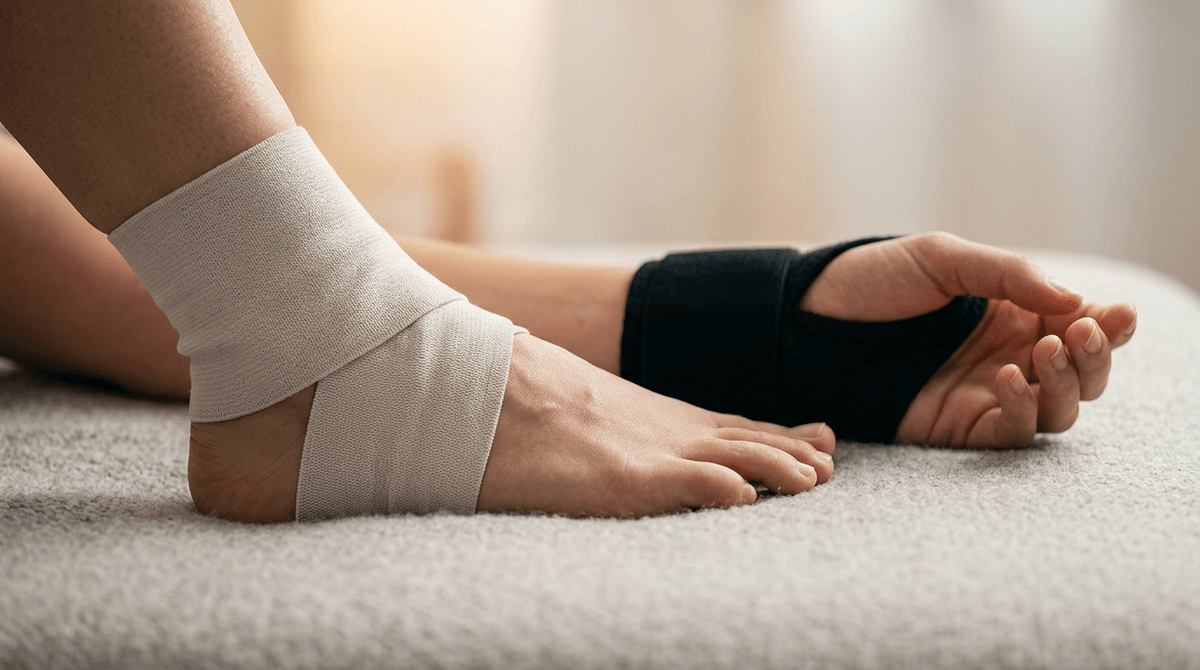
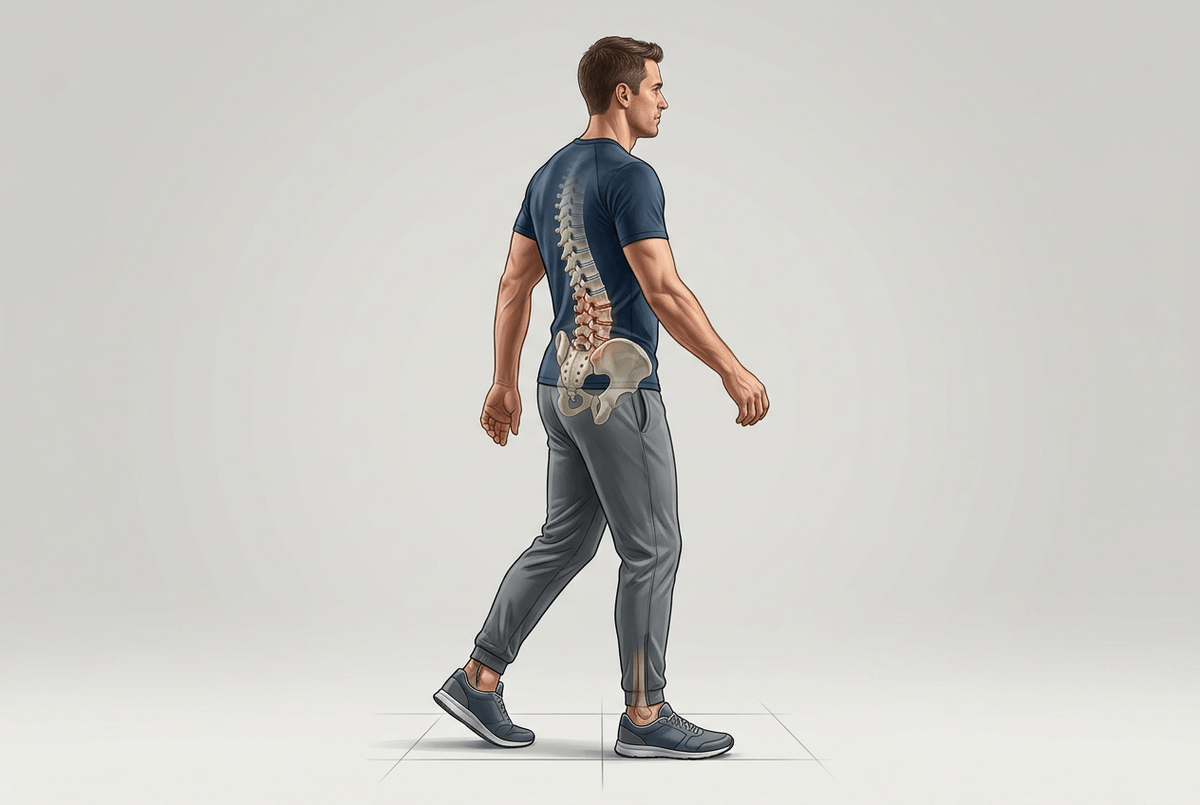
Over years, the low back often adapts in an uneven way because it’s exposed to uneven forces. If a disc loses some height, it may stop sharing load as well, and the small facet joints behind it can end up taking more pressure—especially in extension and rotation. Small asymmetries (an old ankle injury that changes stride, a habit of always carrying a bag on one side, a job that repeats the same twist) can make one segment or one side do more work. The body then “repairs” what’s stressed: joint surfaces can roughen, the capsule can thicken, and small bone spurs may form where tissue keeps pulling. Those changes can be slow, and symptoms can lag behind, which is why a scan can look busy even when a week feels manageable.
What drives this pattern beneath the surface
Some mornings the back doesn’t just feel stiff—it can feel guarded, like your body is bracing before you even do anything. Then later, the same bend that felt risky at 8 a.m. feels almost normal, which can make it tempting to label the pain as “random” or “just aging.”
Underneath, the system is constantly trying to find a less irritating way to share load. When a disc has lost some height and spring, the facet joints and nearby ligaments may get tugged or compressed a little sooner, and the surrounding muscles often respond by tightening to stabilize the area. That protective tightening can reduce motion in the short term, but it also changes how forces travel through the segment—sometimes concentrating stress on already sensitive tissue. Add in day-to-day shifts in local inflammation (which can make joint capsules and outer disc fibers more reactive), and you get the familiar pattern: better after warming up, worse after staying in one position, and flares that don’t always “match” what you did.
Nerve irritation creates leg symptoms and weakness

It often starts as a faint change you can’t quite pin down—an ache that seems to “travel,” a patch of tingling in the calf after sitting, or a leg that feels briefly unsteady when you stand up. Because the back has been the main problem for so long, it’s easy to assume it’s just the same stiffness spreading, even when the sensation is different.
In some cases, this shift happens when the spaces around a nerve root get tighter. As discs lose height and facet joints and nearby tissues thicken, the opening where the nerve exits (the foramen) may narrow. A nerve that’s crowded can become more sensitive to pressure and to chemical irritation from local inflammation, so symptoms may show up inconsistently—fine on a walk, then sharp, burning, or electric with certain positions.
Weakness can feel especially confusing because it isn’t always dramatic. Sometimes it’s a foot that slaps a little sooner, a knee that doesn’t trust stairs, or fatigue that arrives faster on one side. If that kind of change persists, spreads, or starts affecting balance, it’s usually worth treating as a different category of symptom than back pain alone.
How clinicians confirm spondylosis without overcalling
Sometimes the most frustrating part is how a scan can sound definitive while your symptoms still behave like a moving target. In the exam room, clinicians usually try to line up three imperfect pieces—your story, what your body does with certain movements, and what imaging shows—without letting any single piece “win” on its own.
The symptom timeline matters because wear-and-repair changes can sit quietly for years. They’ll often ask what reliably stirs things up (driving, first steps in the morning, leaning back, twisting) and what reliably calms it (walking, changing positions), because that pattern can fit joint and disc irritation even when pain intensity varies. A hands-on exam may look for limited extension, side-to-side differences, and whether symptoms stay in the back or reproduce in a leg—recognizing that the same person can have both mechanical back pain and intermittent nerve sensitivity.
Imaging is usually used to confirm “degenerative changes” rather than to declare a single culprit. Clinicians often avoid overcalling by matching MRI/X-ray findings—disc height loss, facet arthritis, bone spurs, narrowed foramina—to the side, level, and type of symptoms, and by staying cautious when the pictures look worse than your function (or better than your pain).
Treatments that target pain, function, and nerves
Sometimes the first clue that a treatment is “doing the right job” isn’t less pain—it’s that your back stops feeling so reactive to normal things like getting up from a chair or turning in bed. That shift can take effort to notice, because symptoms can still flare on busy days, and it’s easy to assume nothing is changing if you’re not pain-free.
Different treatment categories tend to aim at different parts of the pattern. Medications may be used to dial down inflammation or change how pain signals are processed, which can matter when joint capsules and outer disc tissue are chemically irritated. Physical therapy and targeted exercise often focus on restoring tolerance: when stiff segments move a little more evenly and the trunk muscles stop “over-bracing,” load can spread out instead of repeatedly jamming the same spot. Manual therapy, heat, and similar approaches may help some people temporarily by reducing protective muscle guarding, though the response can be inconsistent.
When leg symptoms suggest a nerve is being crowded or sensitized, clinicians may add treatments that specifically target nerve-related pain or swelling around the nerve root. In some cases, image-guided injections are used to reduce local inflammation and test which level is driving symptoms—helpful information when scans show changes at multiple levels and the story doesn’t line up neatly.
Common surprises: rest helps, then stiffness returns
After a day or two of taking it easy, the ache may fade enough to make you think the flare is “over”—until the first long sit, the first morning out of bed, or the first time you lean back to reach a shelf, and the low back feels tight all over again. That back-and-forth can be discouraging, because the relief is real, but it doesn’t always translate into easy movement.
One reason is that rest can calm the irritated tissues without restoring how the area shares load. When you move less, joint capsules and outer disc fibers may be stressed less often, so the chemical “alarm” quiets down. At the same time, less motion can leave the segment more guarded: muscles keep a protective baseline tension, fluid movement through the joints slows, and the first few bends or steps feel sticky and limited. It can look like the condition is suddenly worse, when it may be the system re-tightening after a brief period of lower demand.
If that stiffness starts pairing with new, persistent leg numbness, tingling, or a sense that the foot or knee isn’t reliable, it’s usually a cue to treat it as more than a typical rest-and-return cycle.