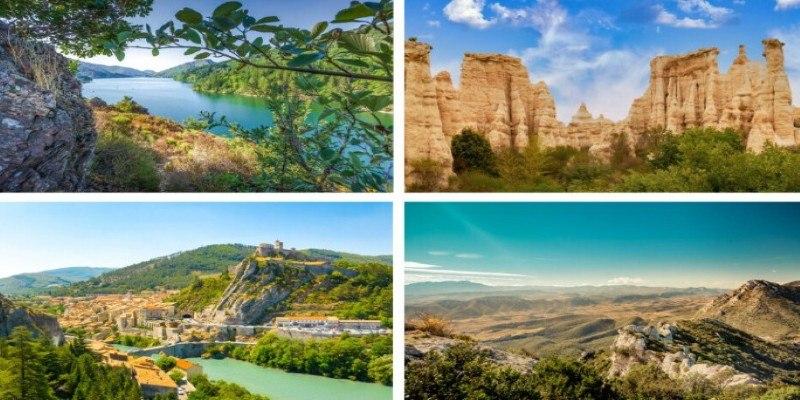
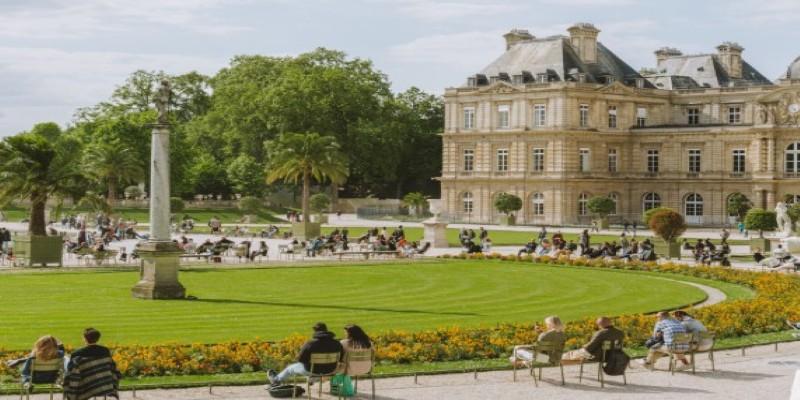
France offers more than cities and famous landmarks. There are places shaped by fresh air, slower rhythms, and long-standing traditions tied to nature. Many travelers now look for settings that support rest and physical well-being rather than packed itineraries. Quiet valleys, coastal paths, and mountain villages meet that need. These areas also present practical challenges, such as seasonal access limits and transport gaps, which often catch visitors off guard without prior planning.
Alpine Air and Quiet Trails in the French Alps
The Alps remain one of the most reliable regions for clean air and steady outdoor activity. Chamonix and Annecy draw attention, yet smaller villages like Samoëns or Les Contamines offer calmer surroundings. Trails are well maintained, and altitude encourages gradual movement rather than rushed sightseeing.
Travel planners often face a surge in winter bookings tied to ski tourism, which drives up accommodation prices even in quieter areas. Summer offers better value and less congestion, though some lifts close early in September. That can limit access to higher trails, which surprises many visitors expecting full-season operations.
A common scenario involves travelers arriving late in the day, only to find local buses reduced after peak hours. Renting a car solves this, though parking rules in protected areas can be strict. Signs are clear but often in French only, leading to confusion and fines.
Local food also plays a role in the health-focused appeal. Alpine cuisine leans on fresh dairy, seasonal vegetables, and simple preparation. Restaurants in smaller villages adjust menus based on supply, so expectations of fixed options may not match reality.
Coastal Walks and Salt Air Along Brittany
Brittany is made for walking at a steady pace, with sea views that change every few minutes. The GR34 clings to the edge of the coast, sometimes wide and easy underfoot, sometimes narrow where the cliffs pinch in. Short sections work well for a half-day plan, especially when a group has mixed stamina. Pick a base like Saint-Malo, Perros-Guirec, or Cancale, then treat the trail like a menu, not a mission.
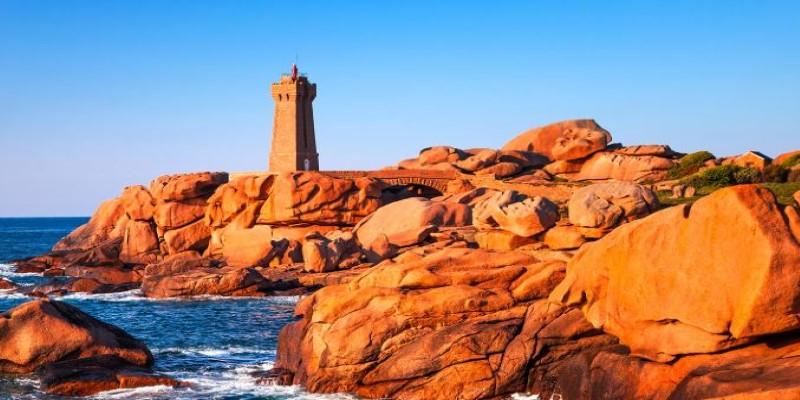
Tides run the show here. A path that looks harmless at noon can turn awkward two hours later, with water cutting off a cove crossing or soaking a rocky shelf. Tourist offices post tide tables, but plenty of places to stay forget to mention them at check-in. That’s where trips go sideways, a long detour, wet shoes, and a late arrival for dinner.
Summer beds fill fast in July and August, and some small inns keep shorter schedules outside peak weeks. A quick message to the host saves guesswork. Market days matter too, since they’re the easiest way to keep meals light and local. If cycling is part of the plan, expect wind. It can feel playful, then stubborn, within the same hour.
Thermal Springs and Slow Living in the Pyrenees
The Pyrenees carry a quieter reputation compared to the Alps. Towns like Ax-les-Thermes and Bagnères-de-Luchon center around thermal baths, which attract visitors seeking recovery and relaxation. These facilities operate under regulated schedules, often requiring reservations in advance.
Thermal tourism follows a distinct pattern. Many French visitors book multi-week stays for treatment programs, filling slots early in the year. Short-term visitors may struggle to secure preferred times without early planning. Walk-in access exists but rarely during peak periods.
Transport presents another challenge. Train connections reach major towns, yet smaller spa locations rely on limited bus services. Missed connections can lead to long delays, especially outside the summer months. Travel agents often advise buffer time between transfers, though this detail gets overlooked in self-planned trips. Mountain weather changes quickly. Even in late spring, higher trails may still hold snow, limiting access for casual walkers.
Local advice matters more than online trail maps, which may not reflect current conditions. The region’s slower pace supports rest, though it also means fewer late dining options. Restaurants close earlier than in larger cities, and kitchens may stop service before expected hours. Planning meals ahead avoids unnecessary inconvenience after a long day outdoors.
Lavender Fields and Open Space in Provence
Provence pulls people in with wide skies, pale stone villages, and that warm, dry light that makes even a short walk feel unhurried. Around Valensole and Sault, lavender lines the fields in neat bands, and the scent hangs in the air once the sun gets higher. The best routes are the quiet ones, small lanes between farms, short gravel tracks, and low-traffic roads that link one village to the next without much fuss.
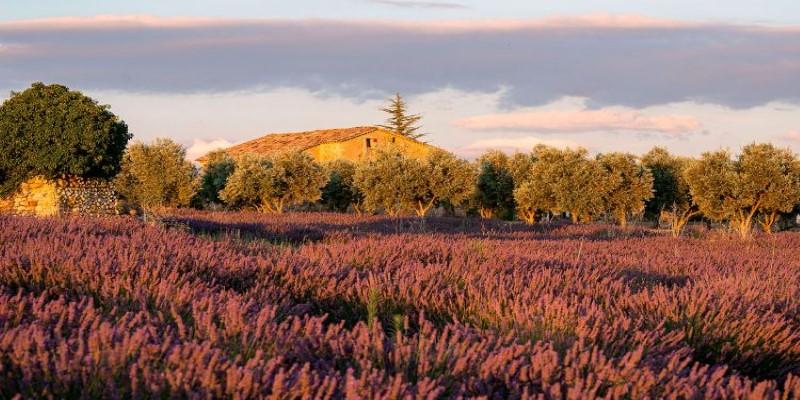
Timing matters more than most guides admit. In a typical year, the color is strongest from late June into mid-July, but a hot spring can push things forward, and a stormy spell can shorten the show. Arrive after harvest starts, and the fields can look strangely bare, with cut stems and tractors at work. Check local farm pages or regional notices; they tend to be closer to the truth.
Traffic is the other surprise. Weekends bring slow-moving cars and roadside photo stops, and the narrow roads were never built for it. Start early, finish by late morning, and the experience feels calmer and safer for cycling. Stays range from simple farm rooms to small hotels, but not every place has strong cooling during heat waves. Market days help with fresh food, yet they rotate by town. Carry extra water; rural refill points are hit or miss.
Conclusion
France offers many settings suited to rest, movement, and fresh air. Each region carries its own pace, shaped by geography and local habits. Planning around seasons, transport, and daily rhythms prevents common setbacks. Small details, such as market days or trail access, often shape the overall experience more than major landmarks. With the right timing and awareness, these landscapes provide steady, grounded travel that supports both physical and mental well-being.